An AI logo generator is good enough for a quick, simple start, like a new bakery or a side project. A branding agency does what AI does not: it makes a brand recognisable and keeps it worth something. For many clients it is both. So split your quote in two: price the tool work honestly and charge for the thinking.
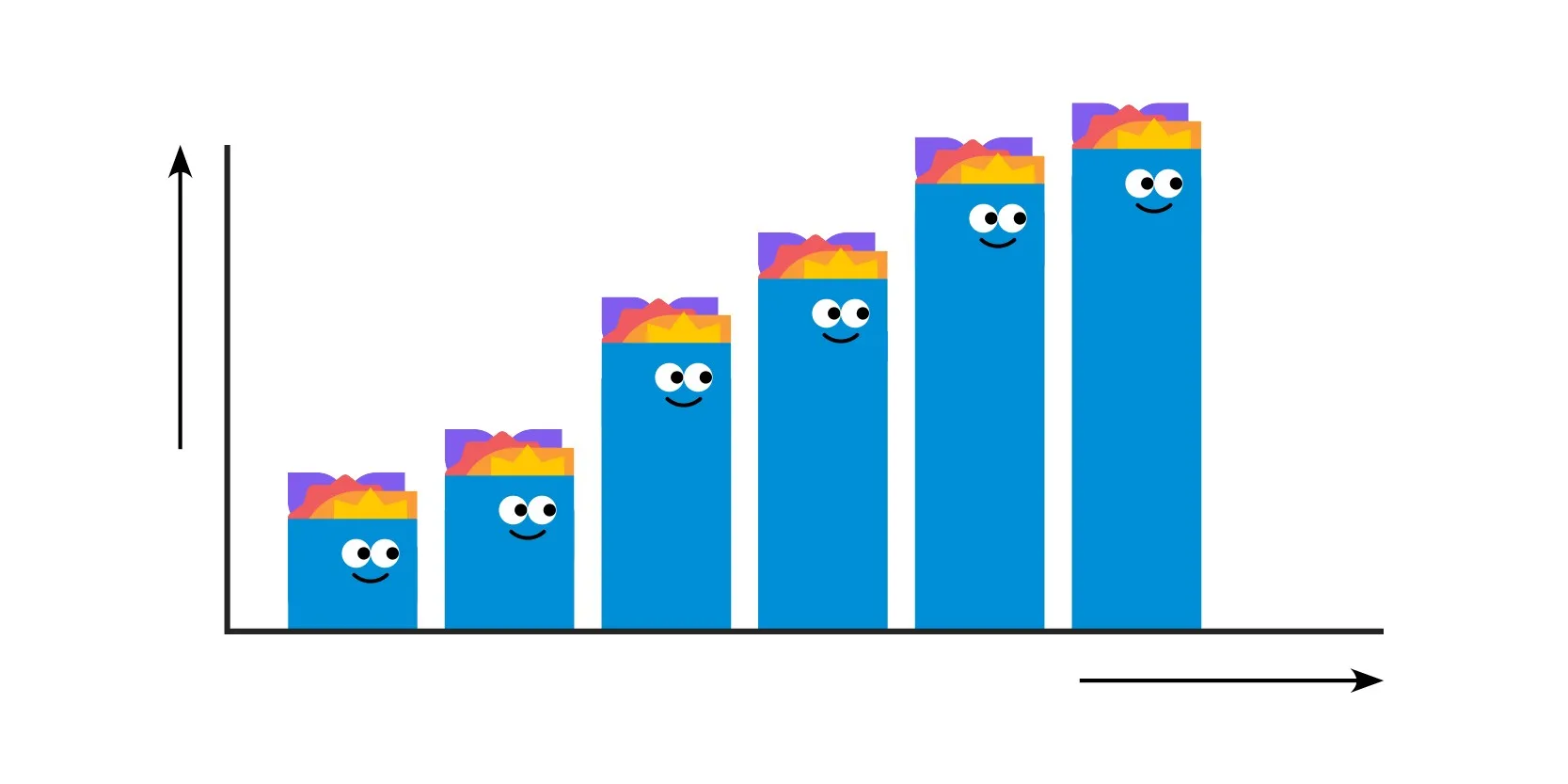
Figma CEO Dylan Field said it plainly at Config this year: "while AI has lowered the floor, it has not raised the ceiling." And then, to designers: "You will raise the ceiling." (Figma)
I think he's right. And I think it tells you how to write your next quote.
You can see that floor in Adobe Firefly. Describe your style, your name and your colours, and its AI Assistant (still in beta) makes you a logo, a brand identity and a palette (Adobe).
So what do you actually charge for? Here's what AI is good for, what bothers me, and how I'd split a quote because of it.
When is an AI logo generator good enough?
I actually agree with Field. AI is a great tool for simple design work, so entrepreneurs can set up a brand quickly. A small business that's just starting, a new product, someone who needs something this week. Good. That's what it's for.
Is an AI logo pretty generic? Yes, that too. You won't really stand out with it.
Can an AI logo be better? Definitely. The better the input, the better the output. If you're a bit handy with AI, you get a lot more out of it than "make a logo for my bakery". Tell it who the bakery is for, what makes it different, which colours are already on the shopfront.
So the floor is real. But most businesses don't pick one. Clutch found that 88 percent use AI design tools, and 90 percent still use graphic designers. (And a logo was never the whole brand anyway, more on that here.)
What goes wrong when a brand leans on AI?
There are two things I keep tripping over.
The first: a lot of AI design starts to look the same. I have the feeling we recognise AI faster and better every month. Posters, brands, socials, all of it.
The design of AI posters and socials is the same, the language is the same. And then it doesn't add anything anymore. To be honest, I just stop reading. Not because it's ugly, but because I don't see any value in it.
The second problem with AI design is bigger. When larger companies use AI, they really need to watch how they do it. Think of the supermarket you walk past every week. You know its colours, its letters, the way its posters look, without ever thinking about it.
Now say that supermarket quickly makes a simple poster with AI and sticks it on the window. That's damaging for the brand. It isn't their house style, you see AI, and so straight away it doesn't feel right.
So you lose twice. People don't recognise you, and it costs you value instead of adding it.
In short: fine for starters. Just know that people spot AI fast.
How do you split a quote between AI work and agency work?
If a tool does a task in a minute, I'm not going to charge a day for that task. But I'm not going to sell my thinking at tool prices either.
What a client really pays you for is above the floor. That people recognise them, and that the brand is worth something. Exactly what goes wrong with that supermarket poster.
So make the floor and the ceiling visible in your quote. Split your quote in two parts.
The floor. The work tools can speed up: variations, colour options, resizing to every format, first layout ideas. Give it a fixed price that is honest about how quick this part has become.
The ceiling. The thinking: who the brand is for, what makes it recognisable, a house style that works on a shop window as well as in a post, and clear rules so the brand doesn't slide back into generic. This is the bigger price. Describe well what you do here and how, so the client sees what they're buying.
And a sentence you can use with a client: "Tools can help with the first part, so I price it that way. The second part is why you hire a studio: so people recognise you, and not the tool."
A split quote also answers the client who asks why they shouldn't just use Firefly. They can, for the floor. That's not what you're selling. Field said it himself: raising the ceiling is our job. So charge for it.
How do you keep a brand above the floor after delivery?
The ceiling only holds if the brand keeps being used the right way after delivery. One quick AI poster from someone who didn't have the right files, and you're back on the floor. That's where consistency usually breaks.
Broken consistency is also why we built BrandDeck: the house style, the files and the rules in one place, so the next poster starts from the brand instead of from a prompt. If AI is part of how your client works, this is how to keep it on brand.
Try the two part quote on your next project. Two parts, one honest sentence. And if you want a place for the ceiling to live after handover, you can build as many brands as you like in BrandDeck, for free.