What is a brandguide?
A brand guide, brand book and style guide explained. What they are, how they differ, and why a PDF is no longer the best way to manage your brand guidelines.
A brand guide, brand book and style guide explained. What they are, how they differ, and why a PDF is no longer the best way to manage your brand guidelines.

What exactly is a brand guide, brand book or style guide and why does the format matter more than you think?
Let's start with the terminology, because yes, everyone uses these terms differently and nobody is technically wrong.
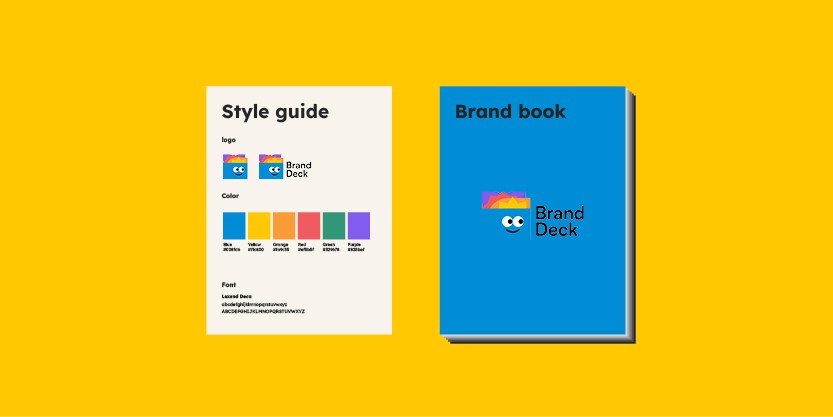
A style guide is the compact version. A few pages covering the basics: logo usage, colors, fonts, maybe some do's and don'ts. It answers the question: what does this brand look like?
A brand book goes deeper. It captures not just the visuals but the full logic behind the brand. Tone of voice, imagery direction, layout principles, use cases. It answers a bigger question: how does this brand work?
A brand guide sits somewhere in the middle, or is used as a catch-all term for both. In practice, the name matters less than the depth. The bigger the organisation, the more detailed the documentation tends to be. A one-person studio might get away with two pages. A team of twenty needs something they can actually align on.
When a brand is young, flexibility is fine. Things are still being figured out. The logo can breathe, the tone can shift, the colors can be interpreted loosely.
But at some point, more people start working with the brand. Designers. Marketers. Copywriters. External partners. And that's when inconsistency starts showing up in places you didn't expect, in ways you can't fully control.
Brand guidelines exist to solve that problem. Not to kill creativity, but to give everyone the same starting point. A shared reference that says: this is who we are, this is how we show up, and this is what we don't do.
That clarity saves time. It prevents the 47th conversation about whether that shade of blue is correct. And it protects the brand from slow, invisible drift, the kind you only notice after two years when nothing quite matches anymore.
Here's the thing about most brand guides: they live in a PDF. And PDFs have a fatal flaw.
They're outdated the moment they're created.
Brands evolve. Assets change. A new photography style gets introduced. A secondary color is added. The tone of voice gets refined. And every single time, someone has to update the document, export a new version, and send it around hoping everyone replaces the old one.
Spoiler: they don't.
The other issue? A PDF explains the brand but doesn't give you access to it. You can read that the logo should always appear on a white background, but where do you actually download the right file? Which version is current? Where are the approved images?
A PDF provides insight. Not access. And for anyone trying to actually work with a brand, that's a meaningful difference.
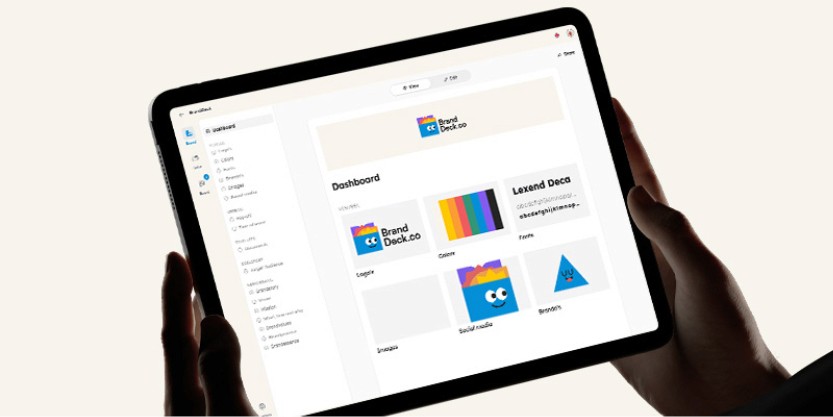
The better setup is an online brand guide: one central place where guidelines and assets live together.
Not a document that gets emailed around. A source that's always current, always accessible, and connected to the actual files people need. Update the brand once, and everyone works from the updated version automatically. No new PDF. No new email chain. No "which version is this again?"
For small agencies and freelancers managing multiple client brands, this shift is significant. Instead of maintaining a folder of PDFs per client, you have one structured environment per brand. Shareable with a link. Always up to date. Actually useful.
Brand guides, brand books and style guides are essential, regardless of what you call them. They keep brands consistent, recognizable and manageable as they grow.
But the format you use to deliver them matters more than most people realise.
A PDF is a great way to explain a brand. An online brand guide is a better way to actually run one.
BrandDeck is built for exactly that: a central place where brand guidelines, assets and collaboration come together.
